BrainAccess SDK update

BrainAccess SDK Version Update to 3.5.0

Greta Tikužytė Avatar

BrainAccess SDK has been updated to 3.5.0 for both Windows and Linux operating systems. This release includes various bug fixes and improvements in the example. Please do not forget to update your BrainAccess devices before using the new SDK. This can be done using BrainAccess Board software (link to download).

The new BrainAccess SDK version is available for download here.

MORE Posts
  • From Literature to Live Data: LLMs as Full-Cycle Research Companions

    From Literature to Live Data: LLMs as Full-Cycle Research Companions

    For decades, the challenge in neuroscience has not only been collecting brain data, it has been making sense of it. EEG signals are noisy, high-dimensional, and shaped by dozens of interacting variables. Interpreting them well has traditionally required years of specialist training. But a growing body of evidence suggests that large language models (LLMs) may…

  • When Sound Becomes Medicine: BrainAccess HALO in Music Therapy Research

    When Sound Becomes Medicine: BrainAccess HALO in Music Therapy Research

    Can lying on a vibrating table listening to carefully crafted audio actually change your brain? A team of Portuguese engineers built a system to find out and the results are surprisingly measurable. Sound therapy is one of those ideas that sits awkwardly between ancient wisdom and modern science. Cultures across history have used chanting, singing…

  • Multimodal Integration: How Your Experiment Can Benefit from Multiple Modalities

    Multimodal Integration: How Your Experiment Can Benefit from Multiple Modalities

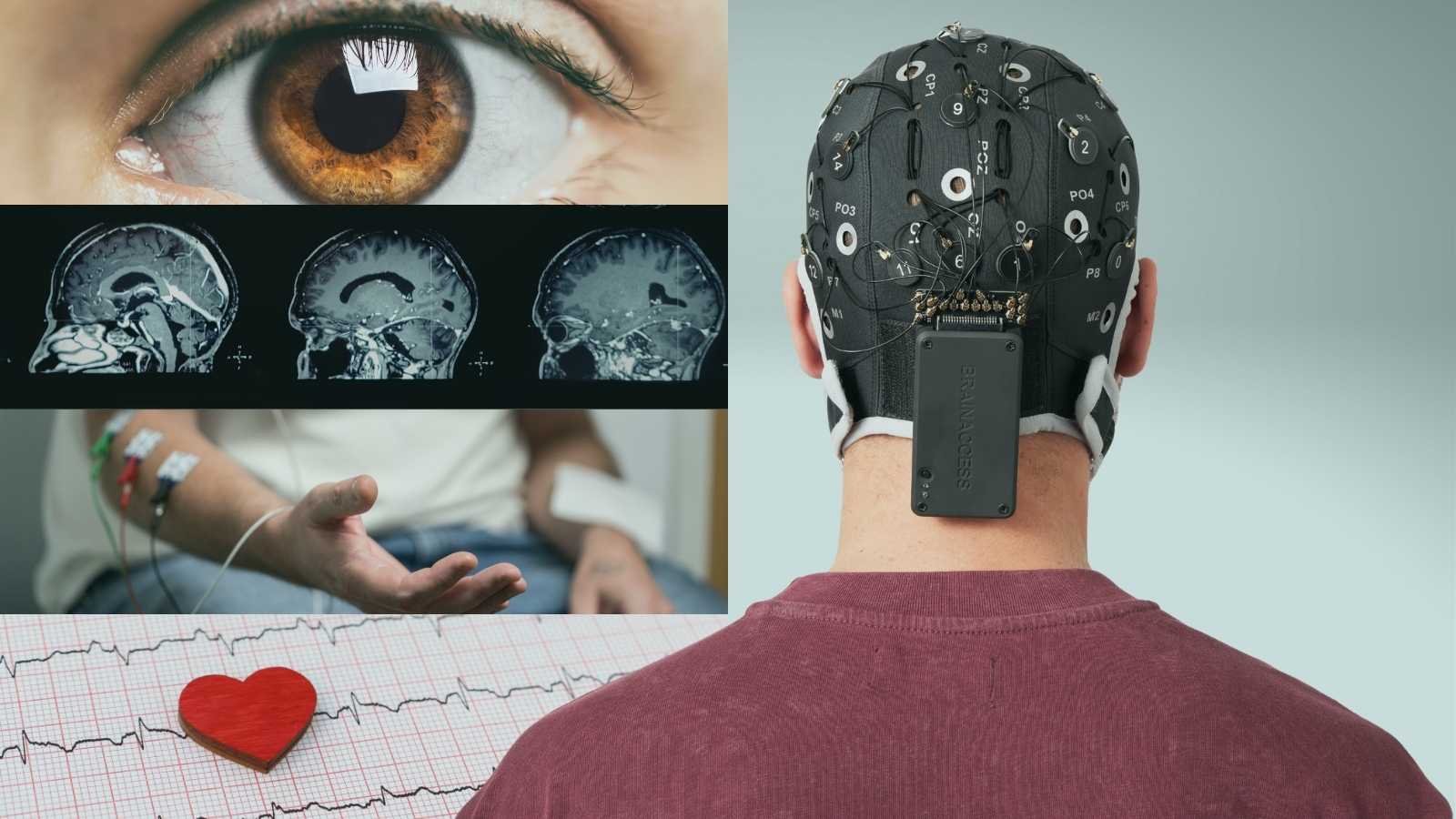
    In this article, we explore multimodal integration, the practice of combining signals from different sensors in the same experiment to build a richer, more reliable picture of brain activity, cognitive states, and physiology. At BrainAccess, this is a direction we are actively building toward, with two major developments in the pipeline: a new HALO headband…

  • Cleaner Brain Signals with ATAR: a tunable wavelet algorithm

    Cleaner Brain Signals with ATAR: a tunable wavelet algorithm

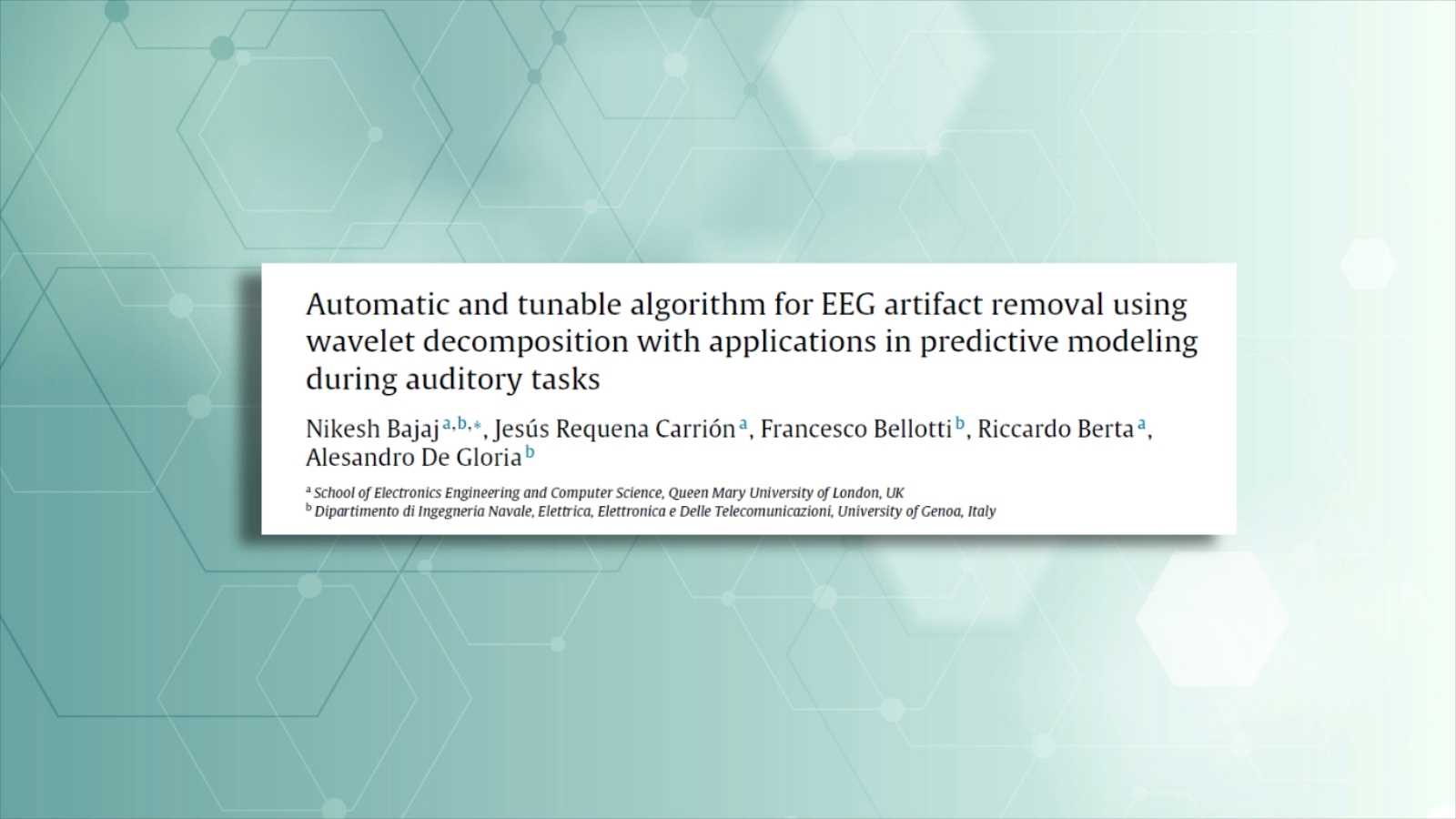
    EEG is one of the most powerful tools we have for reading brain activity in real time. But raw EEG signals are messy, full of noise from muscle movements, eye blinks, heartbeats, and motion. Cleaning that noise without discarding genuine neural information is one of the central challenges of brain-computer interface design. Meet ATAR, a…